The Serene
On shadow, tea, emptiness, and the patience of making things well. Twelve books for the Serene apartment — the ones that teach you to notice less, and better.

Featured read
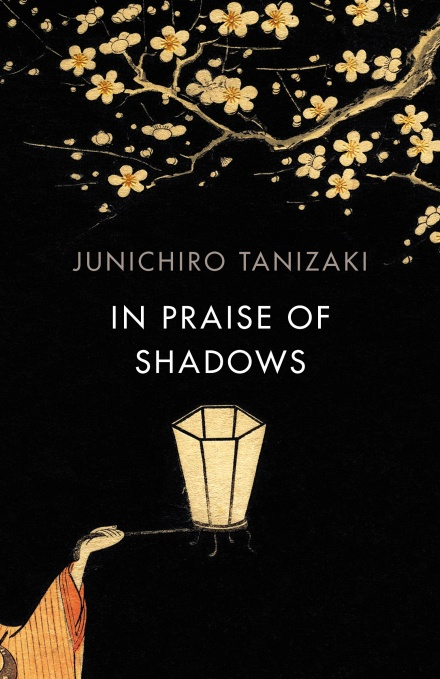
The founding text of the Serene apartment. Tanizaki's slim essay makes the case for dimness, patina, and the beauty of things half-seen — the gleam of old lacquer, the glow of a paper screen, the way a room should be lit by what it withholds. Read it once and you will never light a room the same way again.

The most beautiful defense of dimness ever written. Every choice in the Serene apartment traces back to this essay.
Written in English for a Western audience in 1906, still the clearest account of why the tea ceremony is really a philosophy of attention. Teaism as "the art of concealing beauty that you may discover it."
The little book that gave the West a vocabulary for the beauty of imperfect, impermanent, incomplete things. Read it before you throw anything away for being worn.
The founder of the Japanese folk-craft movement on beauty made by hand without ego — the everyday bowl, the ordinary cloth. The argument for buying the thing that was made to be used.
A novel about faith, doubt, and the silence of God, set in seventeenth-century Japan. Spare, devastating, and quiet in a way that rearranges you. The book to read on a rainy afternoon with nothing else planned.
A thousand-year-old notebook of lists, observations, and small pleasures from a lady of the Heian court. The original account of finding joy in the tiny and the fleeting — dew on a leaf, the right shade of paper.
Muji's art director on emptiness as a vessel — design that steps back so life can step forward. The most articulate modern case for the restraint the Serene apartment is built on.
A diary washes ashore in British Columbia, wrapped in a Hello Kitty lunchbox, written by a Tokyo schoolgirl. A novel about time, presence, and a 104-year-old Zen nun who is the calmest character in modern fiction.